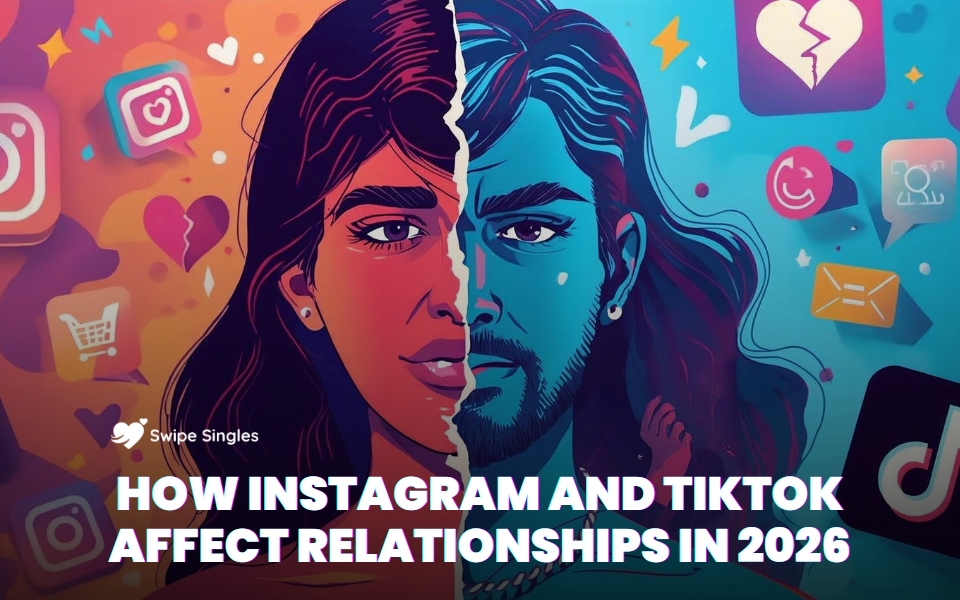
Instagram and TikTok shape people's ways of flirting, fighting, communicating, and even dreaming about love. Besides being a source of immense fun, these platforms also dictate the off-splitting and online behavior of couples.
In 2026, people would be averaging 108 minutes a day on short-form apps, with Instagram Reels and TikTok being the main contributors. These apps have turned into a major source of relationship data, comparisons, and subtle persuading - most of the time without anyone being aware of it.
Through this app, a couple can not only share moments but also be loving and feel they are together. For some, however, this incessant showcasing of perfectness in relationships may become a source of annoyance, give rise to insecurity, or ultimately lead to emotional distancing.
The guide examines the role of Instagram and TikTok in relationships in today's world, gathers the perspectives of researchers, and offers practical suggestions on how couples can protect their love while still being active on the apps.
These platforms are changing relationships in ways that earlier apps did not. They're not just spaces for posting updates, but have been designed to hold attention, elicit an emotional response, and keep one watching. It's that design that shapes how people view themselves, view their partners, and what a "good" relationship looks like.
Both of these platforms use algorithms; they learn what you react to and show you more of it. If you stop on a romantic montage, or some couple's prank, or a video of a breakup story, your feed will show you more similar videos. You can begin to expect things based on that, even when you don't intend to.
What makes these platforms influential?
Instagram focuses on aesthetics and lifestyle, while TikTok focuses on humor, vulnerability, and raw storytelling. Both of these shape how partners view each other's behavior and what they expect from love, affection, and communication. These changes aren't inherently good or bad. They simply mean that relationships now grow in a louder and busier online space.

Instagram and TikTok can really help relationships, although social media can be a victim of criticism when used purposefully. The sites provide couples with alternative ways of bonding, learning, and keeping in touch, particularly when distance or hectic schedules come in.
Reel or TikTok trends are short and can resonate with laughter, create a discussion, or develop into an inside joke. Since these platforms embrace the use of visual communication, most couples believe that they enable them to be closer throughout the day.
Ways Instagram and TikTok can make relationships stronger:
What recent numbers show
Used well, these apps can act as a steady stream of connection and growth. The key is staying aware of how the content affects your mood and expectations.

Despite the positive aspects, Instagram and TikTok may also cause relationship strain when the use turns into a comparison, distraction, or mistrust. Both websites are created to capture attention, and this creation may conflict with the emotional presence in a relationship.
A lot of couples report that the tension doesn’t come from the apps themselves but from how the constant stream of content shapes expectations and reactions.
Comparison culture
Scrolling through polished photos or trend-driven “perfect couple” videos can make real relationships feel lacking. Studies from 2024 and 2025 show a steady rise in dissatisfaction tied to appearance comparison and lifestyle envy.
Jealousy and insecurity
A simple like, follow, or DM can spark conflict if partners read meaning into tiny interactions. Instagram’s visibility features amplify this. TikTok’s algorithm often surfaces attractive creators, which can trigger insecurity for some people.
Communication problems
When attention shifts to reels and endless For You Page cycles, conversations get shorter and less present. It becomes easy to tune out during important moments.
Relationship anxiety
People start worrying about not being good enough, not posting enough, or not responding fast enough. This leads to pressure instead of comfort.
Addiction-style behavior
TikTok usage continues to rise, and reports of compulsive scrolling went up by roughly 18 percent in 2025. That kind of repeated dopamine hit makes it harder to disconnect, reducing quality time with a partner.
Validation loops
Some people rely on likes or comments to feel seen. Over time, that can shift attention away from the relationship and toward public approval.
Here are some of the most common relationship problems linked to Instagram and TikTok, and how they typically show up in real-life situations.
|
Issue |
How It Appears in Daily Life |
|
Comparison |
Feeling inadequate next to picture-perfect couples |
|
Validation seeking |
Posting to get likes instead of sharing authentically |
|
Jealousy |
Arguments about follows, likes, or comments |
|
Time displacement |
Scrolling during conversations or shared time |
|
Miscommunication |
Tone and intent getting lost through short messages |

Instagram and TikTok may look similar on the surface, but they shape relationship behavior in very different ways. Each platform pulls users into its own rhythm, and those rhythms affect how partners communicate, compare, and connect. Apps made for dating, like Swipe Singles, encourage direct communication, while Instagram and TikTok often shape perception through curated or algorithmic content.
Instagram leans heavily into curated visuals. People post polished photos, aesthetic stories, and carefully edited reels. Because everything looks so put-together, it often creates quiet pressure to match a certain lifestyle or relationship standard.
Common effects:
Couples often feel tension around who gets posted, how often they’re shown, and who engages with their partner’s content.
TikTok is built around emotion, humor, and rapid-fire storytelling. The For You Page shows strangers who share jokes, vulnerable moments, and relationship stories. That can be entertaining, but it also nudges people into quick emotional reactions.
Common effects:
TikTok also personalizes feeds faster than Instagram, which can skew someone’s perception of what’s normal in a relationship.
|
Platform |
Main Influence |
Risks |
Benefits |
|
|
Curation and aesthetics |
Comparison, jealousy |
Shared milestones, visual memories |
|
TikTok |
Humor and raw storytelling |
Addiction, oversharing |
Bonding through trends, fast learning |
While both platforms may be enjoyable and offer encouragement, they still subtly influence behaviors. Knowing these patterns, couples will be able to distinguish what is from the app and what is from the relationship.
The presence of relationship influencers on Instagram and TikTok has become very powerful. They give advice, share their daily lives as couples, and are sometimes even quite deceiving by staging their content and passing it off as real. Their videos are expertly produced, full of emotion, and often feel more genuine than the mainstream media. That’s exactly where they derive their power from.
Influencers create an image of a healthy relationship that people have to come to think of as the right way. They present the relationship in terms of quick tips, conflict scripts, and idealized moments that, although they look so appealing, rarely resemble the untidy reality of real relationships.
A trend has been observed by the therapists: an increasing number of couples are turning to influencers for advice instead of professionals. This becomes a problem when the artists simplify the issues too much or set the bar unrealistically high regarding communication, romance, or conflict resolution.
Relationship content can be helpful when it’s grounded and educational. The trouble starts when people treat influencer narratives as a roadmap rather than curated entertainment.
How someone uses Instagram or TikTok often says more about their internal patterns than the platforms themselves. Mental health, mood, and attachment style all shape how people react to what they see online, how they interpret partner behavior, and how much reassurance they need.
Short-form feeds can amplify existing tendencies. A secure person may scroll, enjoy, and move on. Someone who feels anxious or unsure in relationships may fall into comparison loops, overanalyze interactions, or check a partner’s activity for comfort.
Anxious attachment
Avoidant attachment
Secure attachment
Both platforms can support emotional well-being when used with awareness, but they can also amplify insecurities if someone is already stressed, anxious, or struggling with self-worth. Some people feel more secure using platforms designed for authentic connection, like Swipe Singles, instead of relying on the emotional rollercoaster of short-form feeds.
It’s not always obvious when Instagram or TikTok starts affecting a relationship. The shift usually happens slowly. A little extra scrolling, a few tense conversations about likes or comments, or a growing sense of comparison can snowball into bigger issues if no one notices the early signals.
Here are some warning signs that social media might be creating friction.
If several of these feel familiar, the issue usually isn’t the platform itself but the habits around it. Recognizing these patterns early makes it much easier to address them calmly.

Social media doesn’t have to create tension. Most issues come from unclear expectations, too much screen time, or reacting to content without talking about how it makes you feel. Small, steady habits can shift the dynamic and make Instagram and TikTok feel less overwhelming.
|
Boundary |
Why It Works |
|
No phones during key moments |
Restores presence and attention |
|
Discussing DM and following expectations |
Prevents assumptions and insecurity |
|
Muting or unfollowing triggering accounts |
Reduces comparison loops |
|
Screen time caps |
Keeps compulsive scrolling in check |
Healthy social media use isn’t about avoiding the apps. It’s about using them in a way that supports connection instead of disrupting it.
Instagram and TikTok aren’t going anywhere, and neither is the influence they have on how people connect. The real difference comes from how couples use these platforms and how mindful they are of the habits forming in the background.
When partners stay aware of their reactions, talk about boundaries, and focus on connection instead of comparison, social media becomes a tool instead of a distraction. A little intention goes a long way.
Healthy relationships don’t need to match the polished videos or curated feeds. They grow through presence, honesty, and the moments that never get posted.
Feel safe. Connect confidently.
Download Swipe Singles and meet someone real.
No, not always. Instagram and TikTok can help couples stay connected, laugh together, and learn new communication skills. Problems typically arise when scrolling replaces genuine interaction or when comparison starts to affect self-esteem.
Jealousy online often comes from uncertainty rather than the action itself. Social media makes tiny interactions visible and easy to misinterpret. Talking openly about what feels uncomfortable usually reduces the anxiety behind those reactions.
If scrolling cuts into sleep, conversations, or quality time with your partner, it’s probably too much. Another sign is feeling irritated or anxious when you’re not on the app. Tracking your screen time for a week gives a clearer picture of your habits.
Sharing passwords isn’t a requirement for trust. Most couples do better by setting clear boundaries and talking about what feels respectful. Checking messages without permission usually creates more mistrust over time, not less.
Start by reminding yourself that what you see online is curated, edited, and often staged. Unfollow accounts that trigger comparison and replace them with creators who focus on real connection or mental health. Focusing on your own relationship’s strengths helps shift your attention back to what’s real.

A secure online dating platform for real singles seeking genuine connections, meaningful relationships, and safe dating experiences worldwide.