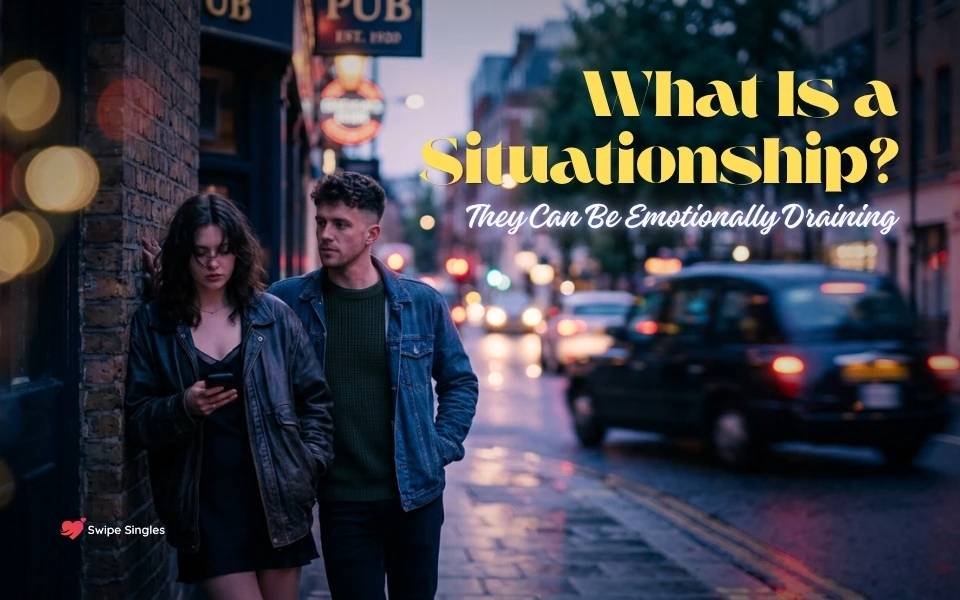
What is a situationship? A situationship goal is totally different from a relationship goal. Well, let's find out what a 'situationship' is.No label. No clarity. Just feelings mixed with confusion. You have a conversation every day. You share jokes, moments, maybe even secrets. Sometimes it feels like you’re in a relationship. Other times, it feels like you’re just an option. If that sounds familiar, you might be in a situationship. Let’s break it down simply, with no overthinking.
A situationship is a romantic and sexual bond between people. It's like casual dating with zero or less commitment. Sometimes it feels like you are in a relationship, always together, but that doesn't have a clear label. Dating advice: Don't get emotionally attached in a situationship.
It usually includes:
But at the same time:
It’s somewhere in between a space where things feel real but nothing is clearly said. They talk every day, but they are not dating. Act like a couple, but there is no label to that relationship.
Grey area between friendship and commitment. In a situationship, there is no communication about boundaries, so it is more likely that someone will develop feelings and risk being hurt in the end.
At first, a situationship can feel easy and exciting. You don't feel any pressure or expectations, and everything just flows. But after a particular time, you start to feel off.

You start asking yourself:
And the hardest part? You don’t get clear answers.
One day, they’re all into calling, texting, and making plans. The next day, they disappear or act distant.
You’re left wondering:
This back-and-forth creates emotional ups and downs that are hard to handle.
In a normal relationship, you know the rules. In a situationship, everything is unclear.
Because nothing is defined, you’re constantly guessing.
This is where it starts to hurt. When one person starts getting more attached, and the other person is just being casual and maybe planning to end the bond soon.
One is thinking:
The other is thinking:
That mismatch creates silent frustration.
Whenever things start to get serious, the topic gets pushed aside.
You might hear:
But “going with the flow” often just means avoiding commitment.
One gives consistency; the other gives excuses. Let's get to know about relationships vs situationships.

You’re left feeling unsure, even on good days.
From old-school romance to modern situationships, Millennials and Gen Z approach dating very differently. In the past, relationship goals were often straightforward. People typically dated with the expectation of becoming exclusive, building a long-term partnership, or eventually settling down. Today, dating looks much different.
Modern dating is heavily influenced by social media, dating apps, changing lifestyles, and evolving relationship expectations. While younger generations still value romance, intimacy, and connection, many prefer flexibility over traditional commitment. Career goals, personal growth, busy schedules, and the fear of making the wrong choice often make people hesitant to define relationships too quickly.
This doesn't mean people no longer want love or meaningful connections. Instead, many are exploring relationships in ways that feel less pressured and more adaptable to their current stage of life. As a result, situationships have become increasingly common because they offer companionship without the expectations that often come with a committed relationship.
For some people, a situationship feels easier. There are fewer labels, fewer responsibilities, and more freedom to focus on personal goals. However, while this flexibility can feel comfortable at first, it can also create confusion when emotional attachment starts to grow.
It Starts Casual… and Stays There
Most situationships don't begin with a plan. It often starts with casual conversations, regular texting, and spending time together. The connection feels natural, so neither person feels the need to discuss labels, boundaries, or future expectations.
As weeks turn into months, the bond grows stronger, but the relationship remains undefined. One person may begin wondering where things are heading, while the other is happy with the current arrangement. Without clear communication, what started as something simple can slowly become confusing, leaving both people with different expectations and unanswered questions.
A romantic relationship is built on more than attraction. It involves love, care, emotional support, and a desire to build something meaningful together. Partners invest in each other's happiness, share their thoughts and feelings, and work toward a deeper connection over time.

A sexual relationship, on the other hand, is primarily driven by physical attraction and intimacy. While strong chemistry can create excitement and closeness, it does not always include emotional bonding or long-term commitment. Physical attraction may bring two people together, but emotional connection is often what keeps them together.
In a healthy relationship, there is emotional depth:
In a situationship, the connection can remain superficial. You may enjoy spending time together and feel close in certain moments, but the emotional foundation is often missing. The relationship feels connected, yet not deep enough to provide clarity, security, or long-term stability.
Physical attraction can create a powerful connection and make two people feel naturally drawn to each other. The chemistry may be exciting, intense, and difficult to ignore, which is often why situationships continue for so long. However, strong attraction can sometimes distract from important questions about commitment, compatibility, and future intentions. Just because the chemistry is real doesn't always mean the relationship is moving toward something deeper.
Over time, spending regular time with someone creates a sense of familiarity and comfort. You become part of each other's routines, share experiences, and naturally turn to them for companionship. This can make the connection feel important and difficult to walk away from. However, being comfortable with someone is not the same as building a committed relationship. Sometimes people stay because the connection feels familiar, even when there is no clear direction or long-term future.
Both look the same, but there is a difference between situationship vs dating.
Light and low-pressure
There is usually no expectation of a deep commitment. Both people keep things relaxed and enjoy spending time together without future pressure.
Feelings can develop, but emotional attachment is often limited. The connection is usually more about fun and companionship than building a serious bond.
Many people in casual dating continue exploring other connections. Exclusivity is not always expected unless it is discussed.
Both people generally know where they stand. The expectations are communicated, which helps avoid confusion.
Healthy dating starts with being honest about what you want and communicating it clearly. Take time to get to know the other person, enjoy the process, and pay attention to whether your values and goals align.
More emotional involvement, the connection often goes beyond casual attraction. Both people may develop strong feelings and emotional dependence on each other.
You may text daily, go on dates, and share personal moments. The relationship starts looking similar to a committed partnership.
Many relationship-like behaviors are present, including emotional support, affection, and regular communication. However, the label is missing.
Neither person fully defines what the relationship is. This uncertainty often leads to mixed signals and unanswered questions.
The emotions can be as strong as a real relationship, but the lack of clarity creates doubt and frustration. People often struggle because they don't know what the future of the. That’s why situationships often feel heavier than casual dating; they can involve relationship-level emotions without relationship-level clarity.
Not every connection comes with a label. Some feel like love, look like a relationship, but still leave you confused at the end of the day. A situationship is often full of mixed signals, unclear intentions, and “almost” commitment.
Inconsistency is a common trait of situationships. You don't know when the next time you'll see or hear from each other.
Situationships lack definition by nature, so you and your partner likely haven't sat down to discuss whether you want to be in a serious relationship.
There is not much progression in situationship, so you may not talk about the future often or at all.
Since you haven't defined the relationship, you and the other person involved might be seeing other people.
There is a lack of emotional connection
If you see any of those signs, it might be time to take a step toward something new. Don’t ignore the feeling that something is missing or that you’re ready for a meaningful connection. Sometimes, all it takes is a small action to change your story.
Join Swipe Singles and give yourself the chance to find someone who truly understands you. Your better half could be just one click away. Why wait when the right connection might be waiting for you?
A situationship is a romantic or physical connection without a clear label or commitment. It sits between casual dating and a relationship.
Situationship vs relationship: a relationship's clarity, commitment, and plans. A situationship has no clear label, uncertain commitment, and often lacks long-term direction.
People often fall into situationships due to fear of commitment, comfort without pressure, unclear communication, or simply “going with the flow.
They can be, but only if both people want the same undefined setup. Problems start when one person wants commitment, and the other avoids it.
Because feelings are involved, but there are no clear rules, labels, or expectations, so you’re often left guessing.

A secure online dating platform for real singles seeking genuine connections, meaningful relationships, and safe dating experiences worldwide.