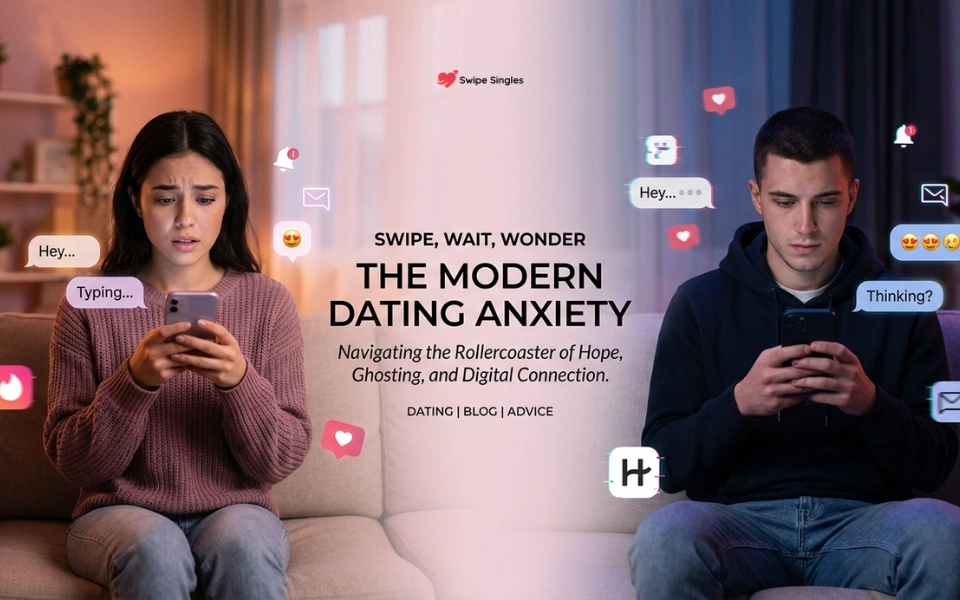
Dating today can feel exciting, but it can also be unexpectedly stressful.
One moment, a simple swipe or match lifts your mood. Next, you’re questioning what you said or wondering why someone hasn’t replied.
It’s surprising how closely dating and mental health are connected. You might hesitate before sending a message, replay a conversation in your head, or feel like you said something wrong. And then there’s the waiting, checking your phone, overthinking the silence, and trying not to assume the worst.
These days, dating is shaped by social media and apps. Every scroll shows happy couples, perfect moments, and what looks like effortless love. You know it’s not the full picture, but it still makes comparison hard to avoid.
After a while, dating can start to feel more like pressure than connection. But understanding how mental health affects dating can change that. With a few small shifts, it’s possible to protect your well-being and still build meaningful relationships.
Mental health doesn’t just shape how you feel; it shapes how you date.
It affects how comfortable you are being yourself, how you read someone else’s behavior, and how you respond to small moments.
When you feel confident and emotionally steady, dating feels lighter. Conversations flow more easily, and small things, like a delayed reply or an awkward moment, don’t feel like a big deal.
But when anxiety or self-doubt creeps in, everything feels different. A short reply can feel like rejection. A delay starts to mean something more. And sometimes, you hold back completely, just to avoid being judged or turned down.
These days, dating also moves fast. Decisions happen quickly, often based on a single photo or a short profile. That pace can make it feel like you’re constantly being evaluated, even before a real conversation begins.
When you feel emotionally at ease, dating becomes simpler and more natural. Swipe Singles is designed to help you connect with people who understand your vibe and expectations.
Feeling nervous before a date is completely normal. Most people want to make a good impression. But whenanxiety in dating sticks around, dating starts to feel more stressful than exciting. Instead of enjoying the moment, your mind goes elsewhere. You start thinking about how you look, what you said, or what the other person might be thinking. And before you know it, you're not really present anymore.

Starting a conversation can feel harder than it should. You might worry about being misunderstood, judged, or turned down. For some, that fear is enough to avoid dating altogether.
Dating apps put a lot of focus on photos. After a while, it’s easy to compare yourself to others and feel like you don’t measure up, even before a conversation begins.
A simple message can turn into something much bigger. A late reply, a short response, and suddenly, you’re replaying everything you said and wondering if something went wrong.
Constant overthinking can be draining. After a while, dating starts to feel exhausting, and pulling back or losing interest becomes the easier option.
Social media has quietly changed how people experience dating. Every day, you scroll past happy couples, romantic trips, and picture-perfect moments. It looks effortless. It looks easy. Even when you know you’re only seeing the best parts, it still affects how you see your own dating life.

After a while, it’s not just scrolling anymore; it becomes comparison. And that comparison can slowly shape how you feel about yourself and your relationships.
It’s easy to compare your real-life experiences with someone else’s highlight reel. Even when you remind yourself it’s not the full story, the comparison still slips in.
When you constantly see grand gestures and “perfect” moments, it can start to feel like that’s the standard. Real relationships, which are often slower and imperfect, begin to feel like they’re not enough.
Getting likes, comments, or matches feels good; it’s instant validation. But when that becomes the measure of your worth, your confidence starts depending on how others respond.
Too many comparisons can wear you down. You start doubting how you look, how your dating life is going, and whether you’re somehow falling behind.
The way you see yourself plays a big role in dating. Confidence, comfort, and self-worth all shape how you connect with someone. But in today’s dating culture, appearance often feels like the main focus.
Profiles are built around photos, and first impressions happen in seconds. After a while, it becomes hard not to compare. And that comparison can quietly change how you feel about yourself.
Anxiety, self-image, and social validation don’t exist separately in dating; they often feed into each other.
You might start by overthinking a message. Then you compare yourself to others. Then you look for reassurance through matches or replies.
Before you realize it, it becomes a cycle. And that cycle can slowly affect your confidence, your mood, and how you show up in dating.
|
Factor |
How It Shows Up in Dating |
Effect on Love Life |
|
Anxiety |
Overthinking messages, fear of rejection, and avoiding dates |
Lowers confidence, makes dating feel draining |
|
Self-Image |
Focusing on looks, comparing with others, and self-doubt |
Reduces self-esteem, affects choices |
|
Social Validation |
Relying on matches, likes, or replies |
Links self-worth to external approval |
These patterns often overlap. You feel anxious, so you check your phone more. That leads to more comparison and more self-doubt. The more it repeats, the harder it is to step out of it. But noticing the pattern is the first step to changing it. When this cycle starts to build, small changes can help you
Pay attention to how you feel after using apps or social media.
A match or reply doesn’t define you, even if it feels that way in the moment.
A good conversation matters more than a perfect profile.
If apps start to feel overwhelming, take a break or limit your time
Being mindful of these patterns helps you recognize early signs that your mental health is affecting your dating. The next section dives deeper into how to spot these signs before they take a toll.
Sometimes, the impact on your mental health isn’t obvious right away.
It shows up in small ways, little shifts in how you think, feel, or react while dating. You might not notice it at first. But after a while, the pattern becomes clear.

Recognizing these signs early can help you protect your confidence and emotional well-being.
Opening the app no longer feels exciting. You feel tense, distracted, or uneasy, even before anything happens.
A reply can lift your mood instantly. No response? That same mood drops just as fast.
You scroll through profiles or social media and start comparing your looks, your life, or your dating progress.
You reread messages, second-guess your words, and assume something went wrong when replies are slow.
Ignoring messages, canceling plans, or taking long breaks feels easier than dealing with the stress.
Instead of feeling good about yourself, you begin to question your appearance, your personality, or your worth.
If some of these feel familiar, you’re not alone.
A lot of people go through this without even realizing it. Noticing it early can help you protect your confidence and approach dating more healthily.
Building confidence in dating isn’t about changing who you are.
It’s about reducing pressure and creating space to be yourself.
Small changes in how you approach dating can make a big difference in how you feel.
Not every match will turn into something, and that’s okay. Letting go of that pressure makes dating feel lighter.
It’s easy to get caught up in what others are doing. Try to focus on your own pace instead of measuring yourself against someone else’s highlights.
If something doesn’t work out, it doesn’t mean something is wrong with you. Talk to yourself the way you would talk to a friend.
Endless scrolling can make things worse. Taking breaks or limiting your time can help you reset.
A genuine conversation matters more than saying the “perfect” thing. Being present goes a long way.
Your life outside of dating matters just as much. Time with friends, hobbies, and rest all help build confidence naturally.
Dating has its ups and downs. But sometimes, the emotional weight can feel like too much. If anxiety starts to take over, your confidence drops, or dating begins to affect other areas of your life, it might help to talk to someone.
This doesn’t mean something is wrong with you. It just means you’re taking your mental well-being seriously.
Speaking with a mental health professional or even someone you trust can help you make sense of what you’re feeling and approach dating with more clarity and confidence.
Dating today is shaped by anxiety, social media, and self-image, but it doesn’t have to feel overwhelming.
When you understand how these factors affect you, it becomes easier to step back from the pressure and focus on what actually matters: real connection.
Confidence grows when your self-worth isn’t tied to matches, replies, or comparisons.
Taking things at your own pace, setting emotional boundaries, and staying grounded in what you value can make dating feel more natural again.
That’s exactly what Swipe Singles is built for: creating space for real conversations without unnecessary pressure.
Feel safe. Connect confidently.
Download Swipe Singles and meet someone real.
Mental health shapes how you think, feel, and behave while dating. Anxiety or low confidence can lead to overthinking, fear of rejection, or hesitation in expressing yourself. When your mental well-being is balanced, dating tends to feel more natural and enjoyable.
Yes, it’s completely normal. Most people feel nervous before or during dating. It becomes a concern only when anxiety starts to feel constant, overwhelming, or stops you from enjoying the experience.
Yes, social media can affect how you see yourself. Constant exposure to highlight moments and “perfect” relationships can lead to comparison, which may lower confidence and create unrealistic expectations.
Overthinking often comes from fear of rejection or wanting to make the right impression. A delayed reply or short message can trigger self-doubt, even when there may be no real issue.
Focus on small, healthy habits, like limiting comparison, setting realistic expectations, and being kinder to yourself. Confidence builds when you stop tying your self-worth to matches, replies, or external validation.

A secure online dating platform for real singles seeking genuine connections, meaningful relationships, and safe dating experiences worldwide.