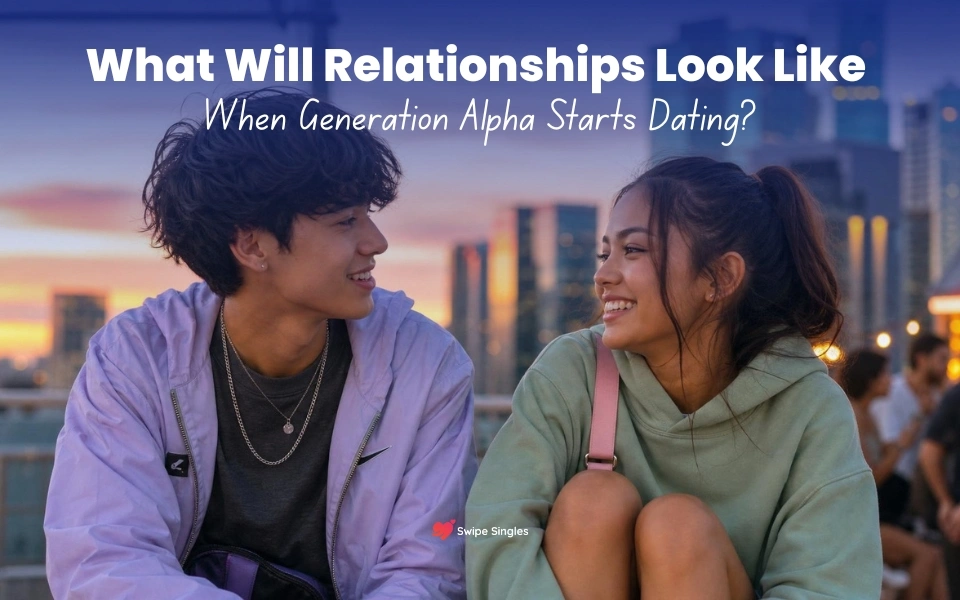
Each generation changes the way people connect, date, and fall in love. Gen Z transformed relationships through social media, emotional awareness, and a stronger focus on individuality. From relationships Gen Z built around authenticity and mental health awareness to the way how do gen z find love, shifted toward dating apps and deeper emotional compatibility, this generation has already set a new standard. Now, a new generation is quietly preparing to reshape everything once again.
Generation Alpha, born between 2010 and 2025, is growing up in a world where artificial intelligence, virtual reality, social media, and instant communication are part of everyday life. While the younger half of this generation is still growing up, the oldest Alphas are just beginning to navigate their first teenage relationships; the environment they are growing up in is already influencing what Gen Alpha relationships may look like in the future.
Gen Alpha has never seen their generation without smartphones. Research shows children today adopt devices earlier than any previous generation. A 2025 survey found 40% of 2-year-olds have a tablet, ~58% of 4-year-olds, and ~25% of 8-year-olds already have a personal smartphone. Over half of preschoolers (age 0–8) now own or regularly use mobile devices.
Gen Alpha, raised in an era saturated with diversity and digital connection, may demand even more from relationships. Instead of asking, "When can I find someone?" Gen Alpha will likely ask questions like.

- Does this person support my growth and well-being?
- Do we share the same core values and outlooks?
- Can we communicate openly and honestly?
- Is there real emotional chemistry and respect between us?
Because they’ve literally grown up on screens and social apps, Gen Alpha’s earliest friendships and crushes often form online. Gen Alpha is starting to date… not necessarily at recess or the mall; it’s happening in Roblox, on Snapchat, and maybe even with a little help from ChatGPT. In other words, their dating pools already include virtual worlds and social platforms.
Gen Alpha is one of the open generations, sticking to their comfort zone, generations till now
One of the most important shifts happening in modern relationships is the growing emphasis on emotional awareness. Many people today are learning that attraction alone is not enough to build a lasting partnership. Generation Alpha is growing up in an era where conversations about the following are common:
Understanding and protecting your emotional well-being is becoming a priority, not an afterthought. Future relationships are likely to value mental wellness as much as physical health.
Being able to manage emotions healthily helps reduce conflict and build stronger connections. Emotional control may become one of the most attractive qualities in a relationship.
Knowing who you are, what you need, and what you value creates healthier and more authentic relationships. Self-awareness often leads to better relationship decisions.
Open, honest conversations are the foundation of trust and understanding. Future couples may place greater importance on expressing feelings clearly and respectfully.
Healthy boundaries help individuals maintain their identity while building meaningful connections. Respecting boundaries creates stronger, more balanced relationships.
As a result, future relationships may prioritize emotional intelligence more than physical attraction.
Traditional relationship expectations often followed a standard formula. Meet on a date, talk a bit, get serious about that person after a few meetings, start planning for marriage, and then stay together forever.

But modern relationship trends show that people increasingly want relationships that fit their individual lifestyles. Generation Alpha will likely continue this trend: long-term partnerships without marriage, long-distance relationships supported by technology, Flexible living arrangements, Unique family structures, and personalised relationship goals
Rather than following society's script, Gen Alpha may create relationship models that reflect their personal values and needs. This could fundamentally reshape modern dating culture.
One area where Generation Alpha could dramatically change modern relationships is how they approach relationship boundaries. For older generations, boundaries were rarely discussed openly. Many people grew up believing that love meant giving everything and putting a partner's needs above their own at all times. Boundaries were often seen as selfish, cold, or a sign that someone was not fully committed.
That mindset created a lot of silent suffering. People stayed in uncomfortable situations because they did not feel they had the right to speak up or say no.
Today, that conversation is changing. Younger generations increasingly see boundaries not as walls that keep people out, but as guidelines that help relationships feel safer, more honest, and more sustainable. They are about creating the kind of connection where both people feel respected and emotionally secure.
Generation Alpha is growing up hearing discussions about boundaries from an early age. They are being raised in homes, schools, and online spaces where emotional well-being is openly talked about. This means that by the time Generation Alpha starts dating seriously, setting and respecting boundaries may feel completely natural to them. They will be far less likely to tolerate controlling behavior or relationships where their needs are consistently dismissed.
When both people understand and respect each other's boundaries, relationships tend to be calmer, more trusting, and more emotionally fulfilling. And that is exactly the kind of love this generation seems to be building toward.
One major change already happening today is increased awareness of unhealthy behaviors. People are becoming more educated about:
As a result, future generations may recognize relationship red flags much earlier. Generation Alpha will likely grow up with access to more educational content about relationships than any generation before them.
While every generation receives different dating advice, some lessons remain timeless. Just as Gen Z taught the world to prioritize mental health and emotional honesty, the relationship tips that will matter most for Generation Alpha go even deeper.
Future dating advice may emphasize the following:
The better you understand your values, goals, and emotional needs, the easier it becomes to find a relationship that truly fits your life.
Open and honest communication helps prevent misunderstandings, strengthens trust, and creates a deeper connection between partners.
Healthy relationships thrive when both people respect each other's personal space, needs, and individual identities.
Recognizing unhealthy behaviors early can help you avoid emotional stress and make better relationship choices.
While attraction may spark interest, emotional compatibility is often what helps relationships grow and last over time. These principles will likely remain relevant regardless of how much dating evolves.
At first glance, Gen Alpha's world seems dominated by technology. As a result, Gen Alpha dating culture may produce relationships that are more intentional, more transparent, and more emotionally healthy than many past relationships. The future of dating will certainly look different.
But beneath all the technological innovation and changing relationship expectations, one thing remains unchanged. People still want to feel understood, valued, respected, and loved. That was true for every generation before, from the way how do gen z find love and changes the rules to how Gen Z normalizes vulnerability and emotional honesty in relationships.
And if Generation Alpha succeeds in building relationships around those principles, they may not just change modern relationships; they may improve them. While Gen Alpha figures out the future of love, you can find your own modern connection today; start swiping on Swipe Singles.

A secure online dating platform for real singles seeking genuine connections, meaningful relationships, and safe dating experiences worldwide.